
I Went To Pasos: What Sober Living After Rehab Can Feel Like

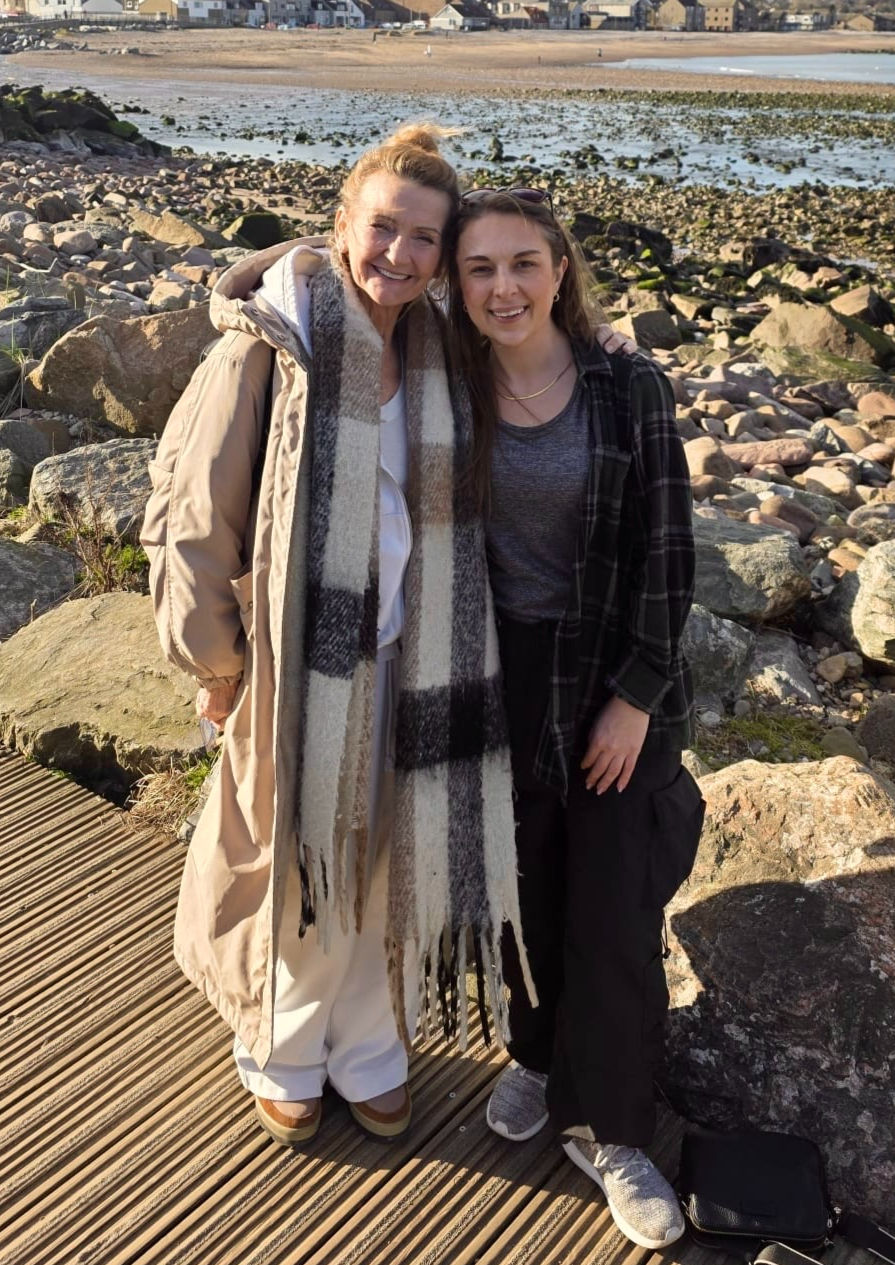
When Margaret and Andy first reached out to Recovery Coach Academy, looking for support as they developed Pasos, they both said the same thing.
"You need to come and experience it."
I completely understood why.
I've learned over the years that there are some things you simply can't explain from the outside. You can describe a house. You can list what's included, the pricing, the services, and you can talk about your philosophy. But none of that tells you what it actually feels like to be there.
After spending a few days at Pasos, I realised that's exactly why they wanted me to visit. Pasos is not just something you understand by looking at what it offers. It is something you understand by noticing how it makes you feel.
To explain why, I need to take you back to 2018.
Rewinding the Tape
June 2018. I was twenty-three years old.
I'd just completed ninety days in an inpatient rehab in Texas and was getting on a plane to England. Like most people leaving treatment, I was asking myself one question, "What now?"
Leaving treatment can feel exciting. And terrifying. Because treatment had also become my little safe bubble. For ninety days I'd been surrounded by people who understood recovery. There was structure. Routine. Community. Support.
Then suddenly you're expected to go and build a life.
That's exciting. But it's also where a lot of the real work begins.
Before deciding to move to England, I'd seriously considered moving into a sober living home. I knew myself. I knew I wasn't ready to live completely alone. Isolation had never been good for me. I wanted somewhere that gave me enough freedom to start building my own life, but somewhere that also meant I wasn't trying to do it all by myself.
During my time in Texas, I'd experienced different recovery communities and sober living environments, so I already had an idea of what that could look like. For me, sober living was never just about having somewhere to stay. It was about continuing to grow in an environment that offered safety, freedom, autonomy, accountability, and connection. Somewhere that was actually conducive to recovery.
We made our beds every morning. Someone cooked dinner one night each week. We had house meetings. We shared chores. There was structure and accountability, but there was also community. We'd jump in the house van and head into town for meetings, groceries, or just to get out of the house together.
Looking back, those ordinary moments probably taught me as much about recovery as anything else. They helped me learn how to live again. How to be responsible. How to live alongside other people. How to slowly rebuild confidence.
When I arrived in England, one of the first things I did was start looking to see what sober living options existed here. I remember spending hours searching online. Unfortunately, there wasn't much. The one option I remember finding seemed to offer little more than a bed and transport to your local 12-step meetings.
I remember thinking, "That's not what sober living means to me."
Life moved on. Eight years later, I found myself boarding another plane. This time, I was heading to Aberdeen.
Arriving at Pasos: The Feeling of Being Welcomed
Before I’d even arrived, my mom, Margaret, Andy, and I had a WhatsApp group. Later, my mom said that even reading the messages between us gave her a sense of peace.
From the moment I landed, the whole experience felt easy. I walked through the airport and straight out the other side, where Margaret and Andy were waiting. They helped me with my bags, and we started the drive back to the house. No fuss. Just smiles and hugs.
The journey takes around twenty minutes, but it gives you time to breathe. As we drove through the countryside, we chatted about recovery, life, and Pasos. It didn't feel like I was travelling somewhere unfamiliar. It felt like I was visiting people I'd known for years.
When we arrived, Margaret and Andy showed me around the house. As we walked from room to room, I found myself quietly taking everything in.
The first thing I noticed wasn't how the house looked. It was how the atmosphere. It felt lived in. It felt relaxed. It felt like somewhere people actually came home to at the end of the day.
That might sound obvious. But I think there's a difference between a house that's been prepared for guests and a home that's been opened to them.
Every room seemed to encourage people to spend time together. The kitchen, the dining room, the living room, they all naturally drew people into conversation.
Then there was Toby. Within about five minutes, he'd decided we were friends. If you're a dog lover, you'll understand. He quickly became everyone's little companion and somehow made the whole place feel even more welcoming.
I remember standing in the kitchen, chatting away, and catching myself thinking, "This feels easy."
And sometimes, I think that's the best word I can use to describe my time at Pasos. It felt easy. Because being there didn't feel like I had to be anything other than myself.
At the time, I simply enjoyed the feeling. It wasn't until I got home that I started asking myself why.
The Little Things That Weren’t Little
As the days went on, I started noticing the little things.
We'd eat together in the evenings. There was no rush. No one staring at their phones. Just people sharing food and conversation. It reminded me how many important conversations in recovery happen around a dinner table, not because they are forced, but because the environment makes people feel comfortable enough to talk.
The environment simply encouraged connection.
And it made me wonder how much recovery actually happens in moments like these. Not during the big breakthroughs, but over dinner. Over cups of tea. Over ordinary conversations where people slowly begin to feel like themselves again.
One morning, I walked to the park, just two minutes from the house, and found myself surrounded by walking trails and greenery. The town centre wasn't far either, maybe a ten-minute walk. It struck me that the location gives people something often hard to find right after treatment.
Choice.
You can spend time in nature. You can head into town. You can be around people. Or you can simply sit quietly and think in your own space. That balance between support and independence felt important, and much needed.
Trust Changes the Atmosphere
Over time, I noticed something felt different. I couldn't quite put my finger on it at first. Then one night as I walked back to the house from the store, it clicked.
There weren't any surveillance cameras.
That might sound like an unusual thing to notice. But if you've spent time around different recovery environments, you'll probably understand why it stood out to me. Many recovery settings, understandably, prioritise safety through observation. Cameras. Locked doors. Systems designed to prevent something from going wrong.
Pasos felt different. Not because safety wasn't important. But because trust seemed to come first.
I didn't feel like someone who needed to be watched. I felt like someone who had been welcomed. And you can feel the difference.
Trust communicates something incredibly powerful. It says, "We see you as a person, not a problem to manage."
It says, "We believe you're capable."
Sometimes what people need most is not another rule. It is the experience of being trusted.
Through my work in this field, I know people are often trying to believe in themselves again. Sometimes that begins with someone believing in them first.
Recovery Isn’t Just One Person’s Journey
Being at Pasos, I also kept thinking about my own family.
When I left treatment, I was incredibly fortunate. I had a family who loved me, believed in me, and welcomed me into their home. But I also know my recovery wasn't the only recovery happening. My family was recovering too. They were learning how to trust again. Learning how to support me without trying to rescue me. Learning when to step in and when to step back.
That's not easy.
I sometimes wonder what those first few months might have looked like if somewhere like Pasos had existed for me. Not because I wanted to be away from my family, quite the opposite. But because I think it could have given all of us something we needed.
It could have allowed me to slowly build my independence while knowing I wasn't alone. And it could have reassured my family that I was safe, supported, and surrounded by people who genuinely cared.
Sometimes we talk about recovery as though it only belongs to the person who has been struggling. But addiction impacts families. Recovery does too.
Sometimes what a family needs isn't distance. It's breathing space. Space to rebuild trust without feeling like everything depends on one person getting every moment right.
As Margaret and Andy say, a bridge between treatment and home.
And in many ways, that bridge supports families too.
When Care Comes Before Responsibility
Another moment stayed with me because it challenged something we often assume about recovery.
At one point, I asked Andy whether people who stay at Pasos did their own laundry.
I expected him to explain how everything worked. Instead, he smiled and said they wanted people to feel looked after. He explained that if someone had spent years surviving, worrying, or carrying the weight of the world on their shoulders, perhaps what they needed wasn’t another list of responsibilities. Perhaps they needed the space to focus on themselves.
How often do we ask people leaving treatment to immediately start carrying everything again?
Maybe there is something powerful about allowing people to experience what it feels like to simply be cared for.
Of course, responsibility is important. But rebuilding a life takes capacity. Sometimes care comes first, so responsibility can grow from a stronger foundation.
The Gap After Rehab
What happens after treatment?
The reality is, you leave treatment and suddenly you’re expected to manage money. Cook. Clean. Build a social life. Navigate family. Find work. Deal with emotions. Stay sober. Rebuild your identity. All at the same time.
That is a huge leap.
Treatment helped me stop using. The months that followed taught me how to live.
And that is the space where Pasos lives.
Pasos is not valuable because it gives people a bed. It is valuable because it helps bridge the gap between the structure of treatment and the full weight of everyday life.
It gives people space to breathe while they begin building a life again.
Looking Back
One morning, I found myself walking through the park, thinking about twenty-three-year-old me. The version of me who had just left treatment, wanted independence but knew I wasn’t ready to do everything on my own.
Standing there, I was reminded of what I needed at that time. People who would hold space for me while I figured out who I was becoming. Somewhere that felt safe enough to grow.
I wish somewhere like Pasos had existed for me, because I understand the value of the environment you’re in.
Recovery is influenced by more than just the people we surround ourselves with. It is influenced by the spaces we’re in. The conversations we have. The routines we build. The sense of belonging we experience.
Why Pasos Stayed With Me
People have asked me what makes Pasos different. The honest answer is that I don't think it's any one thing. It's an accumulation of everything.
It is Margaret and Andy. It is the way they have opened not only their house, but their home. It is the conversations around the dining table, the ease of walking through the front door, the sense of being trusted, and the feeling that you are not just staying somewhere. You are genuinely welcomed.
I think Margaret and Andy understand something many people miss: leaving treatment is not the finish line. For many people, it is the beginning. It is the point where life starts asking questions treatment could not possibly answer.
How do I manage loneliness? How do I become independent? Who am I now?
Pasos does not answer those questions for people. It creates an environment where people have the time, space, and support to start answering them for themselves.
Life after rehab can feel overwhelming. You may be returning to old environments, rebuilding relationships, facing emotions without substances, and trying to create a new identity all at once. Sometimes people do not need another programme. Sometimes they need somewhere to catch their breath. Somewhere safe. Somewhere steady. Somewhere they can begin again without feeling alone.
That is also what makes their short stays meaningful. Sometimes people do not need a long-term move. Sometimes they simply need a temporary place to breathe, reset, and feel supported.
When it was time for me to leave, it honestly did not feel like I was leaving. It felt more like, “I’ll see you soon.”
Because at Pasos, the door is always open. Maybe that is because the door never really feels closed.
I often say I would never recommend somewhere I would not send my own family. Pasos is somewhere I would. Because I know the people who walk through that front door will not simply be given a room. They will be welcomed.
After spending a few days there, I came away feeling grateful. Grateful that Pasos exists. Grateful that people leaving treatment have another option. And grateful that Margaret and Andy have created a space where people can recover while feeling cared for, supported, and at home.
Some places can be described. Others simply have to be experienced.
I thought I was going to Aberdeen to experience Pasos.
I did not expect to leave thinking about twenty-three-year-old me.
Calliese Alexandra Conner
If you or someone you love is looking for a sober, supportive next step after treatment, Pasos offers a variety of options in a calm, home-like environment in Aberdeen. You can learn more about staying at Pasos, supporting a loved one, or making a professional referral by reaching out for a conversation.


Comments